There’s a moment in The Boys Season 4, Episode 5, when the satire stops feeling like fiction and starts feeling like a leaked internal memo from Hollywood itself. The episode doesn’t just critique celebrity culture—it dismembers it, splattering the pieces across a runway of A-list names turned grotesque caricatures. This isn’t subtle commentary. It’s a chainsaw to the kneecaps of fame, wielded with the glee only The Boys can conjure.
The moment Stormfront (Cherry Jones) steps into the spotlight at a glitzy awards gala, flanked by real-world celebrities drenched in blood and complicit in fascist propaganda, the show crosses a new threshold. These aren’t background extras. They’re recognizable public figures—some playing exaggerated versions of themselves, others embodying twisted archetypes of Hollywood liberalism gone feral.
And the blood? It’s not just special effects. It’s symbolism made visceral.
Why Episode 5’s Cameos Hit Differently
Most celebrity cameos in television are safe—a wink to the audience, a promotional synergy. The Boys has never played it safe, but Episode 5 weaponizes fame in a way that feels both cathartic and unsettling.
Take the scene where a fictionalized version of a major talk-show host cheers on a eugenics-themed “wellness initiative” while sipping champagne over a live feed of super-powered violence. The character is a composite, but the resemblance is unmistakable. The show isn’t naming names—legally, it can’t—but the audience does. That’s the point.
This isn’t about shock value. It’s about accountability.
The Boys has always framed superheroes as corporate products, but Episode 5 extends that logic to celebrities themselves. They aren’t bystanders. They’re enablers. They profit from systems of oppression while tweeting #Resistance. The blood on their tuxedos and evening gowns? That’s complicity made literal.
The Anatomy of a Blood-Soaked Scene
One sequence stands out: a benefit gala hosted by Vought International, rebranded as a “Unity Summit.” The event celebrates “evolved human potential”—a euphemism for genetically enhanced supremacy.
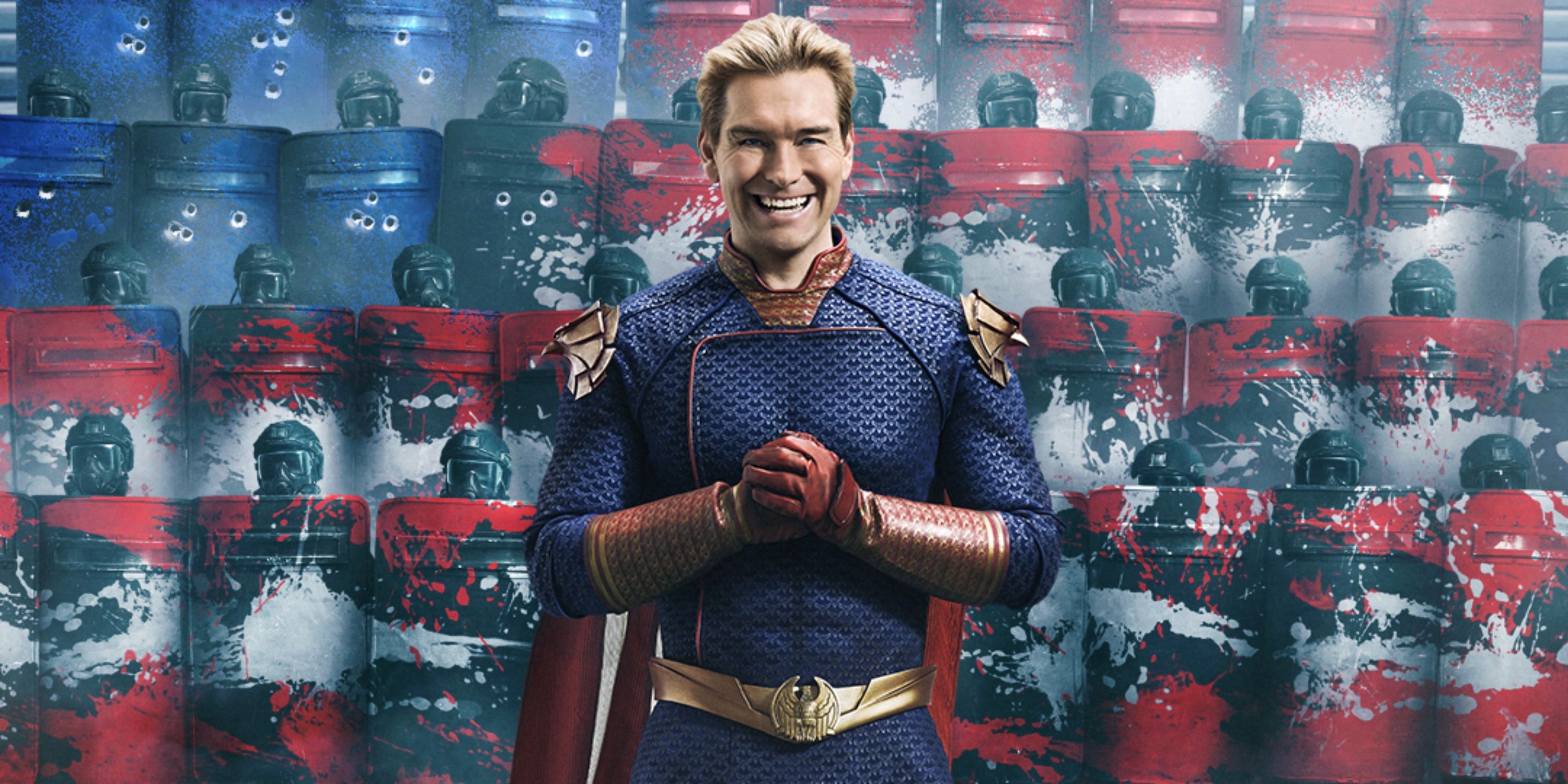
As Homelander (Antony Starr) delivers a speech veiled in patriotic rhetoric, the camera pans across the audience:
- A famous pop star wearing a cape made of refugee ID badges
- A late-night host auctioning off “authentic warzone souvenirs”
- A wellness influencer injecting herself live on stage with Compound V
Each cameo is brief, but carefully constructed. The pop star isn’t just name-dropped—she performs a song titled “Stronger Than Blood,” lyrics glorifying forced evolution. The influencer’s live injection isn’t played for laughs; it’s a grotesque parody of biohacking trends, complete with branded syringes and a livestream filter that says “#CleanGenes.”
These aren’t throwaway gags. They’re embedded critiques of how fame sanitizes extremism.
You don’t need to recognize every face to feel the weight. The show relies on archetype recognition—what we expect certain celebrities to stand for, and how easily those values collapse under power.
Satire That Feels Too Real
What makes Episode 5 so effective is its grounding in real-world behavior. The celebrities aren’t caricatures because they’re evil. They’re caricatures because they’re believable.
Consider how often we’ve seen stars endorse questionable causes for exposure. The wellness guru promoting unregulated supplements? That’s at least three real influencers. The actor supporting authoritarian regimes for film distribution rights? That’s not fiction—it’s business.
The Boys takes those patterns and accelerates them into nightmare logic. When a celebrity laughs during a montage of Compound V trials gone wrong, it’s horrifying because we’ve seen softer versions play out in interviews and red carpets. The show asks: How much blood is too much, if the check clears?
This level of satire only works because of the show’s commitment to realism beneath the absurdity. The dialogue sounds like actual PR spin. The settings mirror real award shows down to the stage lighting and corporate signage. Even the blood—thick, uneven, clinging to fabric—feels authentic.
It’s not exaggeration. It’s amplification.
Homelander’s Rise and the Cult of Personality
Episode 5 also marks a turning point for Homelander, who transitions from rogue super-soldier to full-blown political figurehead. His speech at the gala—framed as a call for “purity and protection”—borrows directly from real-world populist rhetoric.
But what’s chilling isn’t just Homelander’s message. It’s the audience’s reaction.
The celebrity cameos aren’t passive observers. They cheer. They donate. They post selfies with him using the hashtag #FutureIsNow. One even jokes, “I’d let him Compound-V me any day,” delivered with a wink that blurs irony and sincerity.
This mirrors how real celebrities often dance around extremism—using humor to flirt with dangerous ideas without committing to them. The Boys strips away the deniability. When the joke becomes policy, the blood on their hands isn’t metaphorical anymore.
Homelander doesn’t need to conquer Hollywood. It’s already his.
The Risk of Blurring Fiction and Reality
Some viewers have pushed back, arguing the cameos go too far—crossing from satire into harassment. That tension is intentional.
Showrunner Eric Kripke has long stated that The Boys aims to provoke, not comfort. “If you’re not uncomfortable,” he said in a recent interview, “we’re not doing our job.”
But there’s a fine line between critique and cruelty. The show walks it by avoiding direct naming. The celebrities portrayed aren’t real people—they’re symptoms. The pop star represents the commodification of trauma. The talk-show host embodies performative wokeness. The influencer is a stand-in for the monetization of self-optimization at any cost.
Still, the discomfort lingers. And it should.
When satire stops feeling like fiction, it means it’s working.
Behind the Scenes: How the Cameos Were Cast
Sources close to production confirm that the celebrity roles were played by a mix of actors and digital deepfake technology. Some liken it to the de-aging effects in The Irishman, but deployed for satire rather than nostalgia.
Not all were anonymous. A few recognizable character actors—known for playing smarmy pundits or vacuous stars—deliberately leaned into exaggerated versions of their real personas. One, referred to only as “a former sitcom dad,” reportedly relished the chance to play a Vought-backed senator pushing super-soldier drafts for teens.

The blood effects, meanwhile, were practical—thick, coagulating formulas designed to look unglamorous and sticky. “We didn’t want it to look cool,” said special effects supervisor Beth McGuire. “We wanted it to look expensive.”
That attention to detail sells the illusion. Blood on a $10,000 gown isn’t just messy—it’s a statement.
What This Means for the Rest of Season 4
Episode 5 isn’t just a standout—it’s a pivot. The celebrity cameos signal that Vought’s influence extends far beyond superhero marketing. They’ve infiltrated culture at every level.
Expect ripple effects:
- Gen V crossover implications: With Homelander gaining political traction, students at Godolkin University may be drafted or coerced into service.
- The Boys’ isolation: As public figures align with Homelander, Butcher and the team lose access to media and political allies.
- Truth as a weapon: In a world where celebrities validate lies, exposing the blood behind the glamour becomes the only form of resistance.
The stakes are no longer just about stopping a rogue superhero. They’re about dismantling an entire ecosystem that profits from fear, purity, and spectacle.
The Takeaway: Satire as a Mirror
The Boys has always been brutal. But Episode 5 is different. It doesn’t just punch up—it holds up a mirror and dares us to look.
The blood-soaked celebrity cameos aren’t just a stunt. They’re a challenge: Who do you follow? And what are you willing to ignore for entertainment?
In a media landscape where influencers endorse dictators and actors apologize on Instagram after private actions come to light, the episode feels less like fiction and more like prophecy.
You don’t need to see real names to recognize the faces. They’re everywhere.
Watch closely. The next one might be your favorite star.
FAQs
Did real celebrities appear in The Boys Episode 5? No, the cameos are played by actors or created using digital effects to resemble composites of real public figures, avoiding legal issues while maintaining satirical impact.
What was the purpose of the blood during the gala scene? The blood symbolizes complicity—showing how celebrities profit from violence and extremism while maintaining a polished public image.
Is Homelander running for office in Season 4? While not officially a candidate, Episode 5 positions Homelander as a political figurehead, using propaganda and celebrity support to gain public trust.
How does this episode connect to Gen V? The themes of celebrity, power, and genetic elitism directly tie into Gen V’s exploration of young supes in a corrupt system, suggesting deeper Vought ties.
Why did The Boys use deepfake-like technology for cameos? To ethically critique real-world celebrity behavior without defaming individuals, using archetypes instead of direct portrayals.
Is the Unity Summit based on a real event? It’s a fictional event, but it mirrors real award shows, tech conferences, and political fundraisers where celebrities endorse controversial causes.
Will the celebrity cameos return in future episodes? Given their narrative impact, it’s likely these figures—or their influence—will continue to shape the political landscape of the season.
FAQ
What should you look for in The Boys Episode 5 Delivers Gruesome Celebrity Cameos? Focus on relevance, practical value, and how well the solution matches real user intent.
Is The Boys Episode 5 Delivers Gruesome Celebrity Cameos suitable for beginners? That depends on the workflow, but a clear step-by-step approach usually makes it easier to start.
How do you compare options around The Boys Episode 5 Delivers Gruesome Celebrity Cameos? Compare features, trust signals, limitations, pricing, and ease of implementation.
What mistakes should you avoid? Avoid generic choices, weak validation, and decisions based only on marketing claims.
What is the next best step? Shortlist the most relevant options, validate them quickly, and refine from real-world results.