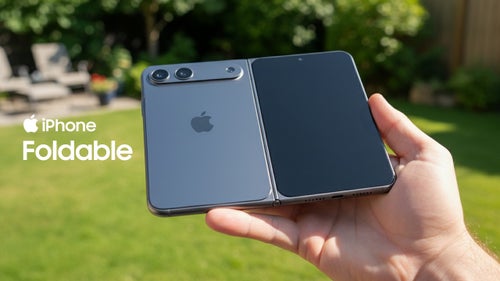
Apple’s rumored Foldable iPhone Ultra isn’t just another device on the horizon—it’s a make-or-break moment for the company’s smartphone innovation. But despite years of anticipation, early indicators suggest the launch could be anything but smooth. From supply chain bottlenecks to fundamental design trade-offs, the Foldable iPhone Ultra might face significant problems on day one. And unlike past iPhone launches, where software glitches were quickly patched, hardware limitations in a foldable device could linger far longer.
This isn’t speculative fearmongering. It’s pattern recognition. Every major tech player that’s entered the foldable space—Samsung, Google, Motorola—has faced public stumbles. And Apple, despite its engineering prowess, isn’t immune. In fact, its perfectionist culture might make early missteps even more disruptive when they happen.
Let’s break down the most likely issues the Foldable iPhone Ultra could face at launch—and why consumers and investors should be watching closely.
Supply Chain Constraints Could Limit Availability
Apple’s reputation for flawless logistics hides a fragile reality: cutting-edge components are hard to source at scale. The Foldable iPhone Ultra is expected to use an ultra-thin glass (UTG) display, a custom titanium hinge, and a dual-battery system—all unproven in Apple’s mass production history.
Samsung has spent nearly a decade refining its UTG sourcing and folding mechanisms. Even then, early Galaxy Z Fold units faced backorders and regional delays. Apple, entering late, doesn’t have the same supply head start. Suppliers like TSMC and LG Display may struggle to meet Apple’s volume demands, especially if yields on foldable OLED panels remain low.
Historically, Apple’s first-gen devices sell out instantly. But with a foldable, a shortage could last months—not weeks. This isn’t just an inconvenience; it risks alienating loyal customers who expect reliability not just in product design, but in availability.
Real-world example: The original iPad Pro faced component shortages that delayed international rollout by six weeks. For a premium $2,500 device like the Foldable iPhone Ultra, similar delays could kill momentum and push buyers toward competitors.
Durability Questions Won’t Be Answered Until Real-World Use
Apple will undoubtedly claim the Foldable iPhone Ultra can survive 200,000 folds. But lab tests don’t reflect real life. How will the crease hold up after six months of being tossed in a pocket with keys? Will the hinge collect lint and debris like early Galaxy folds? And what happens when someone accidentally steps on it?
Unlike traditional iPhones, where durability is proven across millions of units, the Foldable iPhone Ultra has no track record. Apple’s testing might be rigorous, but edge cases are inevitable. Early adopters will become de facto beta testers.
Consider common user behaviors: - Folding the phone while the screen is dirty - Using third-party screen protectors that interfere with the hinge - Closing the device with a pen or card still inside
Each of these can cause micro-damage that accumulates over time. And when a $2,500 phone suddenly develops a flickering display or hinge creak, customer trust erodes fast.
Apple may offer an extended warranty or AppleCare+ bundle, but that doesn’t fix the perception problem. A viral TikTok of a Foldable iPhone Ultra failing after three weeks could overshadow years of marketing.
Software Optimization Will Lag Behind Hardware
Apple’s ecosystem strength lies in its seamless software integration. But iOS wasn’t designed for foldable form factors. While iPadOS handles larger screens, the Foldable iPhone Ultra will need dynamic app scaling, split-screen continuity, and hinge-aware UI transitions—features Android foldables have iterated on for years.
At launch, iOS support for the foldable form factor will likely be basic. Apps may stretch awkwardly, multitasking could feel clunky, and third-party developers won’t have time to optimize. Users might find themselves constantly rotating the device to find the “right” mode, defeating the purpose of a foldable.
Even Apple’s own apps could underdeliver. Imagine Messages splitting poorly across the fold, or Safari leaving dead space in the center. These aren’t minor UX quirks—they’re usability flaws that make the device feel unfinished.
Common mistake: Users assuming the Foldable iPhone Ultra will work like a mini iPad. In reality, without deep OS-level integration, it might feel like a compromised hybrid—too big when open, too thick when closed.
The Price Tag Could Kill Mass Appeal
Rumors place the Foldable iPhone Ultra between $2,300 and $2,800. That’s nearly double the cost of an iPhone 15 Pro Max. For most consumers, this isn’t just a premium—it’s a luxury tax.
At that price, expectations skyrocket. Buyers won’t accept trade-offs in battery life, camera quality, or thickness. But physics and engineering say trade-offs are unavoidable. A foldable needs two batteries, a reinforced hinge, and extra support layers—all of which eat into space.
Result? The Foldable iPhone Ultra might have: - Shorter battery life than standard iPhones - A thicker profile (12mm when folded) - Compromised camera modules due to space constraints
And unlike software issues, you can’t fix thickness with a patch. These are permanent design limitations. When early reviews highlight “great concept, but too bulky,” mainstream adoption stalls.
Realistic use case: A business traveler considering the Foldable iPhone Ultra for productivity may end up choosing a MacBook Air and iPhone combo instead—more functional, less fragile, and cheaper overall.
Competition Already Has a Five-Year Head Start
Samsung launched its first Galaxy Fold in 2019. Since then, it’s released six iterations, each improving durability, software, and user experience. Motorola and Google have followed with compelling alternatives. By the time Apple enters, the competition has already solved problems Apple is just beginning to face.
Samsung’s latest Z Fold 6 offers IPX8 water resistance, a nearly invisible crease, and seamless app continuity. Google’s Pixel Fold brought aggressive pricing and AI-powered multitasking. Even OnePlus is rumored to be entering the space with high-value specs.
Apple’s advantage—brand loyalty and ecosystem integration—won’t be enough if the Foldable iPhone Ultra feels like a catch-up product. Being late means Apple must leapfrog, not match, existing options. If it only matches them, it fails.
Workflow tip: Tech reviewers will compare the Foldable iPhone Ultra not to past iPhones, but to current Galaxy Folds. Apple can’t rely on nostalgia or reputation. It needs a truly better device—and that’s a high bar.
Repairability and Service Could Become Major Pain Points
Foldable phones are notoriously hard to repair. The display, hinge, and dual-battery system are tightly integrated. Even minor damage might require a full assembly replacement—costing over $800.

Apple’s Global Service Exchange (GSX) system isn’t built for this level of complexity. Authorized providers may lack training, tools, or parts. And third-party repair shops? Most won’t touch a foldable without risking further damage.
Early adopters could face weeks-long turnaround times for repairs. No loaner devices. No quick fixes. Just downtime and frustration.
Apple might respond by expanding its mobile repair vans or offering mail-in priority service. But at launch, these systems won’t be stress-tested. A wave of broken units could overwhelm support channels, creating a customer service crisis.
This isn’t theoretical. Samsung faced similar issues in 2020 when Z Flip units started failing hinges. It took months to scale repair capacity. Apple, with higher volume expectations, could face an even bigger bottleneck.
The Honeymoon Phase Won’t Last Without Real Innovation
Apple’s greatest risk isn’t technical failure—it’s irrelevance. The Foldable iPhone Ultra must do more than fold. It needs a “killer use case” that makes it indispensable.
But so far, foldable phones have struggled to answer: Why? Why fold when a tablet or dual-device setup works better? Why pay double for a screen that might not last?
Apple could introduce new workflows—like AR-powered split-screen design tools, or Continuity features that hand off tasks between folded and unfolded modes. But without clear, daily-use benefits, the Foldable iPhone Ultra risks becoming a status symbol with limited utility.
Practical example: A photographer might love the large preview screen when shooting, but if the camera app doesn’t adapt intelligently to the unfolded state, the feature feels gimmicky, not groundbreaking.
Final Verdict: High Risk, High Reward
The Foldable iPhone Ultra isn’t just another iPhone. It’s Apple’s boldest hardware bet in a decade. But boldness comes with exposure. Launch day could bring supply shortages, durability doubts, software gaps, and sky-high expectations.
Apple has the resources to fix most of these post-launch. But first impressions matter—especially in a market where Samsung has already conditioned users to expect refinement.
For early adopters: proceed with caution. Wait for real-world reviews. Watch for repair costs and software updates. And remember—being first to buy isn’t the same as making the smartest choice.
For Apple: the clock is ticking. The Foldable iPhone Ultra must not only work—it must inspire. Anything less, and launch day won’t be a triumph. It’ll be a warning.
FAQ
Will the Foldable iPhone Ultra be waterproof? Unlikely to full IP68 standards. Foldable designs struggle with sealing around the hinge. Rumors suggest limited splash resistance at best.
Can I replace the screen if it gets damaged? Yes, but it will be expensive—likely over $700—and require full assembly replacement due to the integrated design.
How long will the battery last on a single charge? Expect 8–10 hours of active use, less than standard iPhones due to dual battery inefficiencies and larger display demands.
Will apps be optimized for the foldable screen at launch? Only major Apple apps will be fully optimized. Many third-party apps may stretch or function poorly in early iOS versions.
Is the hinge designed to resist dust and debris? Apple will include some protection, but no foldable hinge is fully dust-proof. Regular cleaning will be necessary.
Will the Foldable iPhone Ultra support Apple Pencil? Unlikely. The screen technology and form factor don’t currently support active stylus input.
When is the expected release date? Likely late 2025 or early 2026, though delays are possible due to technical challenges.
FAQ
What should you look for in Foldable iPhone Ultra Could Face Launch Day Issues? Focus on relevance, practical value, and how well the solution matches real user intent.
Is Foldable iPhone Ultra Could Face Launch Day Issues suitable for beginners? That depends on the workflow, but a clear step-by-step approach usually makes it easier to start.
How do you compare options around Foldable iPhone Ultra Could Face Launch Day Issues? Compare features, trust signals, limitations, pricing, and ease of implementation.
What mistakes should you avoid? Avoid generic choices, weak validation, and decisions based only on marketing claims.
What is the next best step? Shortlist the most relevant options, validate them quickly, and refine from real-world results.